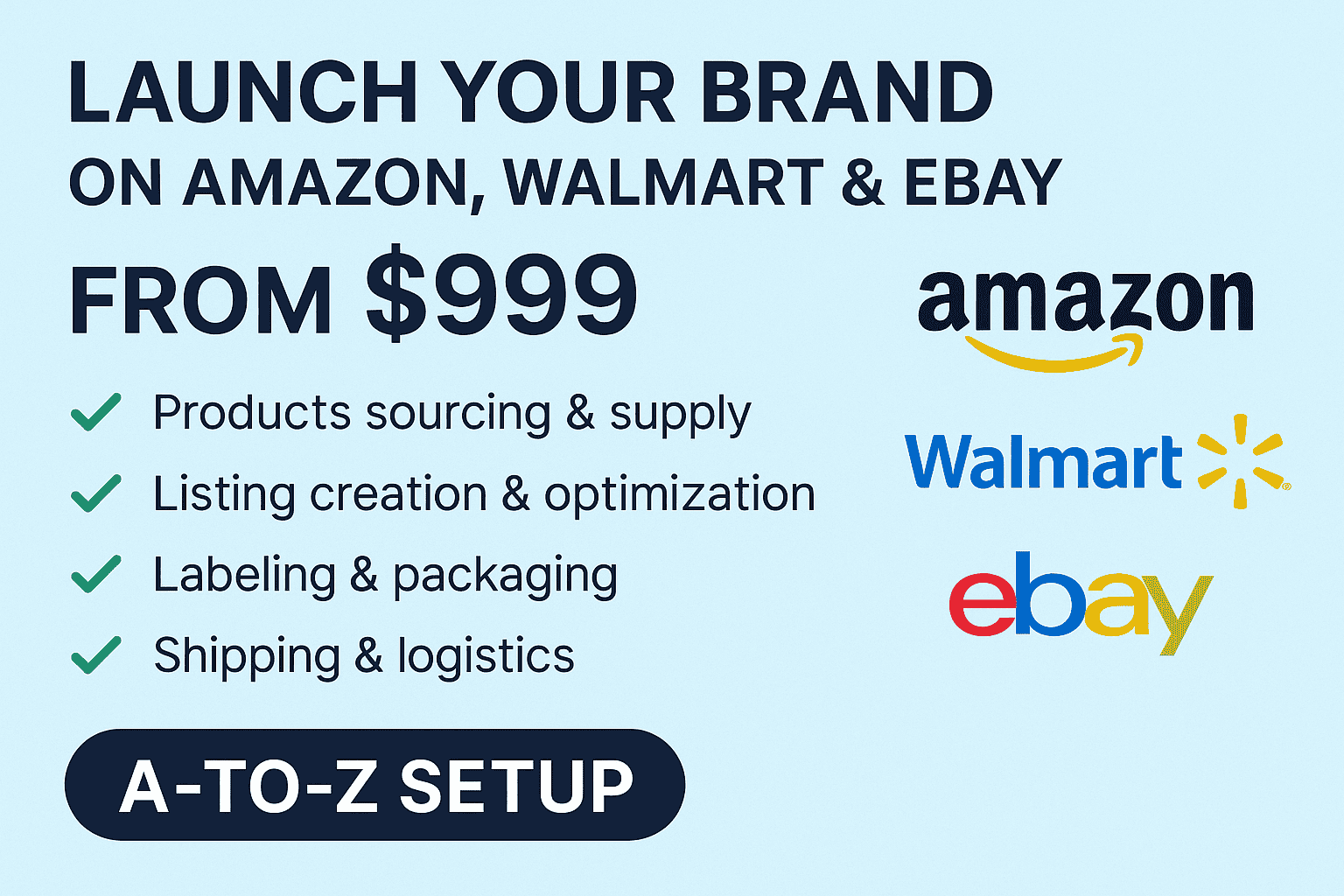
Starting an Amazon private label fitness business requires more than finding a high-demand product. You need reliable suppliers, competitive costs, consistent quality, regulatory compliance, and a clear way to differentiate your brand.
The fitness category includes resistance bands, yoga accessories, home gym equipment, recovery tools, and other products for customers who exercise at home or maintain active lifestyles. This guide explains how to research Amazon fitness product opportunities, evaluate manufacturers, calculate landed costs, manage quality and compliance, and prepare for launch.
Why Choose Fitness Products for Amazon Private Label?
Fitness products serve diverse needs, including strength training, yoga, mobility, recovery, and home workouts. However, some products face intense competition, high shipping costs, safety risks, or expensive testing requirements.
Focus on a specific customer problem rather than launching a generic product. For example, a resistance band set could offer clearly labeled resistance levels, durable packaging, an exercise guide, and improved materials.
Potential Amazon private label fitness products to research include:
- Yoga straps, blocks, and stretching accessories
- Resistance bands and compact strength equipment
- Jump ropes and agility accessories
- Massage balls and recovery tools
- Ankle straps and cable attachments
- Workout gloves and lifting accessories
- Fitness sliders and core equipment
- Home workout storage products
These are ideas, not guaranteed opportunities. Evaluate demand, keyword volume, competition, reviews, selling prices, and expected margins before investing.
Step 1: Research the Amazon Fitness Product Market
Validate demand before ordering inventory. Search Amazon for long-tail keywords such as resistance bands for home workouts, yoga accessories for beginners, workout gloves for weightlifting, home gym equipment, and muscle recovery tools.
Analyze competing listings, prices, ratings, variations, established brands, and estimated sales. Tools such as Helium 10 and Jungle Scout can help, but treat their data as estimates.
Read negative reviews to identify recurring complaints about durability, sizing, materials, packaging, or usability. These complaints can reveal opportunities for meaningful product improvements.
The goal is to find a fitness product with consistent demand and a realistic way to compete.
Step 2: Evaluate Amazon Fitness Product Viability
For a first launch, consider products that are lightweight, easy to inspect, simple to package, and inexpensive to ship. Small fitness accessories are often easier to manage than bulky gym equipment, but manufacturing price alone does not determine profitability.
Evaluate each product for:
- Demand: Is interest consistent throughout the year?
- Competition: Can a new brand compete without relying only on discounts?
- Differentiation: Can you improve the design, materials, packaging, accessories, or customer experience?
- Shipping: Will the product fit efficiently into cartons and meet Amazon FBA requirements?
- Quality: Can the supplier maintain consistent standards?
- Compliance: Are testing, documentation, warnings, or special approvals required?
Avoid complex or high-risk products unless you have the expertise and budget to manage them.
Step 3: Find and Evaluate Private Label Fitness Product Manufacturers
Common sourcing channels include Alibaba, Global Sources, Made in China, trade shows, and direct outreach. You can also explore manufacturers in India and other markets. The best location depends on the product, materials, pricing, and quality requirements.
Determine whether each supplier is a manufacturer or trading company. Trading companies may be useful, but you should know who controls production and quality.
Request information about:
- Minimum order quantities and tiered pricing
- Production lead times
- Customization and packaging options
- Sample availability
- Export experience
- Material specifications
- Relevant test reports
- Quality-control procedures
Compare several suppliers and do not choose solely on price. A slightly higher quotation may reduce defects, delays, and communication problems.
HighRise Wholesale can help sellers with private label fitness product sourcing, supplier coordination, customization, and Amazon FBA preparation. Learn more at https://highrisewholesale.com.
Step 4: Order and Test Fitness Product Samples
Never place a large order based only on photographs or supplier promises. Request samples from multiple manufacturers and compare them side by side.
Inspect materials, stitching, dimensions, finish, packaging, and usability. For resistance bands, test elasticity, consistency, surface defects, and wear. For workout gloves, assess stitching, grip, fit, and comfort. Products that support body weight or heavy loads may require professional testing.
Document defects and provide written specifications before production. Keep an approved reference sample so you can compare it with the finished batch.
Step 5: Customize Fitness Products for Meaningful Differentiation
A logo alone rarely creates a strong advantage. Use customer feedback to improve materials, grip, stitching, comfort, storage, instructions, or product bundles.
For example, a yoga kit could include a strap, stretching guide, and pouch. A resistance band set could include labeled resistance levels and an organized carrying case.
Before approving customization, calculate its effect on cost, MOQ, and production time. Confirm the final logo placement, colors, dimensions, materials, and packaging in writing. Request mockups or prototypes when necessary.
HighRise Wholesale supports private label branding and product customization for sellers developing differentiated fitness products.
Step 6: Calculate Total Amazon Private Label Costs
Build a complete financial model before ordering. Include:
- Manufacturing
- Custom branding and packaging
- Samples and testing
- Inspection and quality control
- Freight, insurance, customs, and duties
- Import taxes and other charges
- FBA preparation and inbound transportation
- Amazon referral and fulfillment fees
- Advertising, promotions, refunds, and returns
Use Amazon’s Revenue Calculator to estimate fulfillment fees and compare fulfillment methods. Calculate landed cost and contribution profit using conservative sales and advertising assumptions, with a contingency for unexpected expenses.
A low factory price does not guarantee profitability.
Step 7: Verify Fitness Product Quality and Compliance
Fitness products can create injury risks if they fail during use. Create a written quality-control checklist covering materials, dimensions, construction, packaging, labeling, and defect tolerances.
Arrange pre-shipment inspections and, where appropriate, independent laboratory testing or technical documentation. Requirements vary by product, materials, intended use, and sales market. Products that support weight, contain electronics or batteries, or make health-related claims may require additional review.
Check applicable U.S. safety requirements, labeling rules, Amazon policies, and relevant standards. Ensure all listing claims are accurate and supported. Avoid unsubstantiated claims about injury prevention, rehabilitation, medical benefits, or guaranteed results.
Step 8: Negotiate MOQ and Payment Terms
Ask suppliers to quote multiple quantities, such as 200, 500, and 1,000 units, when available. Compare unit savings with the risk of holding excess inventory.
Discuss payment milestones, production schedules, inspections, defect resolution, and replacement or refund terms before signing an agreement. Do not order more than you can reasonably sell; excess inventory can limit funds for advertising and product improvements.
HighRise Wholesale can help sellers evaluate sourcing options and coordinate product development and order planning.
Step 9: Plan Amazon FBA Preparation and Shipping
Before dispatch, confirm that every unit meets current Amazon packaging and labeling requirements. Depending on the product, this may include FNSKU labels, suffocation warnings, bundle identification, and carton labels.
Choose air or sea freight based on shipment size, urgency, budget, and product characteristics. Account for customs clearance, import documents, duties, and delivery to Amazon’s designated fulfillment centers. Verify current requirements rather than relying on outdated supplier instructions.
HighRise Wholesale offers support with sourcing, labeling, and FBA shipment planning.
Step 10: Prepare the Amazon Fitness Product Listing Before Inventory Arrives
Conduct keyword research and prepare the listing while production is underway. Use relevant long-tail keywords naturally in the title, bullet points, description, and backend search fields.
Explain the product’s benefits, dimensions, materials, included components, intended use, and care or safety information. Use high-quality images that show the product, scale, features, accessories, and practical use cases while following Amazon’s current image requirements.
A strong listing cannot fix poor quality, but clear positioning and reliable sourcing can support conversions and long-term brand growth.
Common Amazon Fitness Product Sourcing Mistakes
Avoid these common errors:
- Choosing products based only on estimated sales
- Selecting the cheapest supplier without verifying quality
- Skipping sample testing
- Launching a generic product with no clear advantage
- Underestimating freight, duties, Amazon fees, advertising, and returns
- Ordering excessive inventory before validating demand
- Ignoring testing, labeling, or product claims
- Launching without a marketing plan
A disciplined process for research, supplier selection, testing, cost analysis, and compliance reduces these risks.
How HighRise Wholesale Can Help With Private Label Fitness Sourcing
Private label fitness sourcing involves product research, supplier identification, sampling, customization, quality checks, packaging, listing preparation, and fulfillment planning.
HighRise Wholesale works with Amazon FBA sellers on private label fitness products. Depending on the project, services may include supplier coordination, branding, packaging, quality checks, listing preparation, and shipment planning.
Before starting, confirm available services, MOQs, timelines, testing responsibilities, and total costs for your product.
Explore the available services at https://highrisewholesale.com.
Frequently Asked Questions
How do I find fitness product suppliers for Amazon private label?
Use Alibaba, Global Sources, Made in China, trade shows, and direct manufacturer outreach. Compare multiple suppliers, request samples, verify manufacturing capabilities, and establish written specifications before ordering.
Which fitness products are suitable for beginners?
Lightweight accessories such as yoga straps, resistance bands, jump ropes, fitness sliders, and workout organization products may be worth researching. Suitability depends on demand, competition, cost, safety, shipping, and differentiation.
How much money do I need to source fitness products?
There is no universal budget. Costs depend on the product, MOQ, customization, testing, freight, duties, Amazon fees, and advertising. Build a complete landed-cost estimate before purchasing inventory.
Can I source fitness products directly from China?
Yes. Many fitness accessories are manufactured in China. Compare suppliers based on quality, communication, pricing, documentation, consistency, and private label capabilities rather than location alone.
Should I order samples before buying in bulk?
Yes. Samples let you evaluate materials, construction, dimensions, functionality, and packaging. Products involving heavy loads or safety risks may also require independent testing.
How can I differentiate private label fitness products?
Improve materials, construction, comfort, accessories, packaging, instructions, or product positioning. Competitor reviews can reveal improvements customers value.
Is fitness a profitable Amazon private label niche?
It can be, but profitability depends on product selection, competition, sourcing costs, advertising, and customer satisfaction. Validate demand and calculate realistic contribution margins before investing.
Final Thoughts
Successful fitness product sourcing combines market research, supplier evaluation, sample testing, quality control, compliance, and cost management.
Start with a specific customer need. Validate demand, compare manufacturers, test samples, calculate the full landed cost, and order conservatively. Then finalize branding, prepare the listing, and establish a reliable fulfillment plan.
HighRise Wholesale can support sellers with private label fitness sourcing and launch coordination, but the key decision is choosing a product that delivers genuine customer value and has a realistic path to profitability.
A successful fitness brand is built by consistently delivering products customers trust at a price that supports a sustainable business.