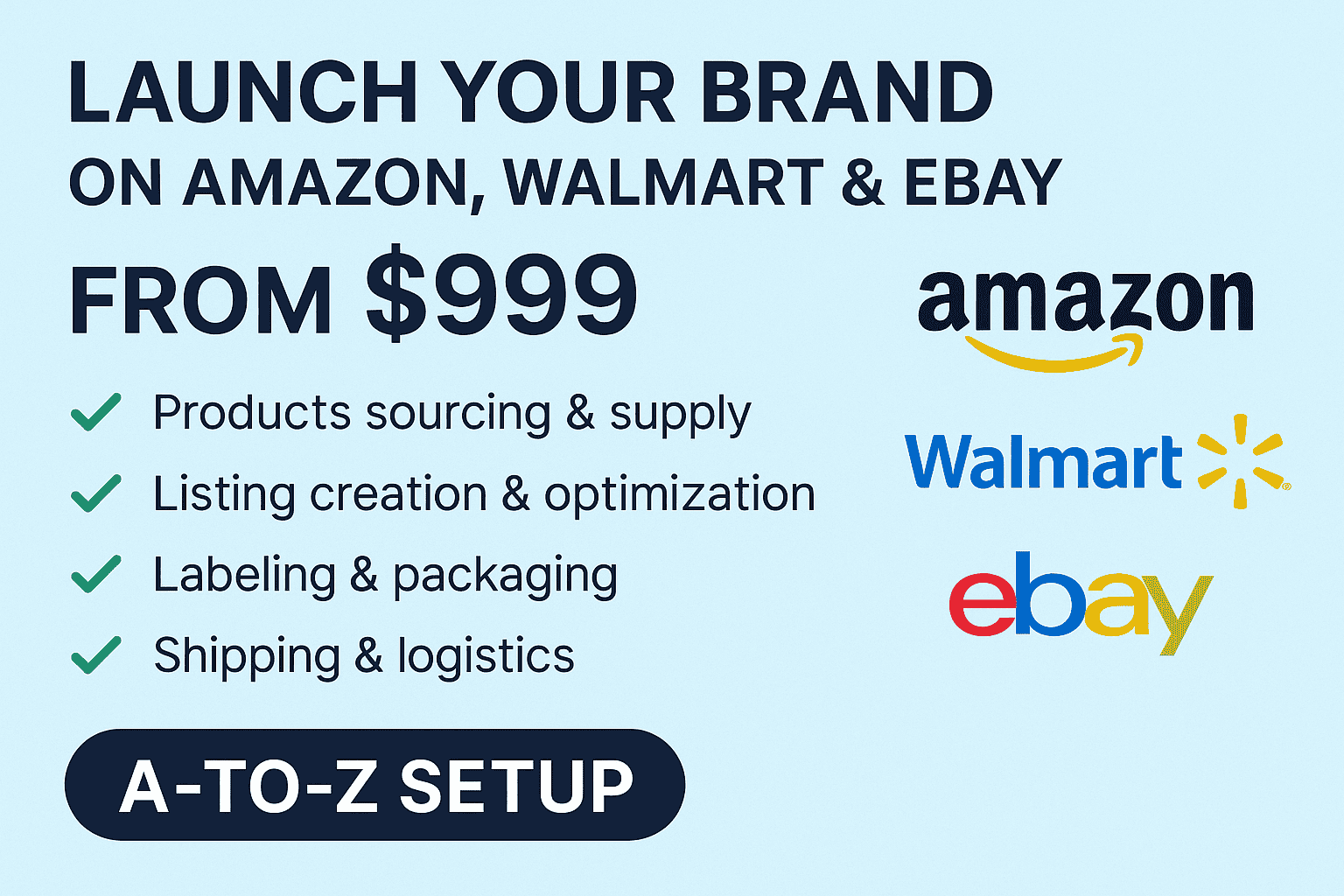
Amazon product sourcing costs can range from a few hundred dollars to several thousand dollars, depending on the product, supplier, order quantity, shipping, and customization requirements. Wholesale sourcing may require less upfront investment in branding, while private label products often involve additional costs for packaging, quality inspection, and product development.
For Amazon FBA sellers, understanding the complete sourcing cost is essential before investing in inventory. A product with a low purchase price is not necessarily profitable once shipping, Amazon fees, advertising, and other expenses are included.
In this guide, we explain Amazon product sourcing costs, the expenses to consider, and practical ways to find reliable suppliers while protecting your budget.
How Much Does It Cost to Source Products for Amazon FBA?
The cost of sourcing products for Amazon FBA depends on your business model and product requirements. The following figures are general planning estimates, not fixed supplier prices.
- Wholesale sourcing: Approximately $500 to $2,000 or more for some initial inventory purchases.
- Generic product sourcing: Approximately $200 to $1,000 or more for certain small orders.
- Private label sourcing: Approximately $1,000 to $5,000 or more for some product launches.
Your actual investment may be lower or considerably higher. Product samples, shipping, minimum order quantities, customs charges, and preparation requirements can significantly affect your budget.
HighRise Wholesale helps sellers explore Amazon product sourcing and private label opportunities based on their product preferences and available investment.
What Is Included in Amazon Product Sourcing Costs?
The supplier’s unit price is only one part of the total investment. Before placing an order, consider the following expenses.
1. Product Purchase or Manufacturing Cost
Your inventory cost depends on the product, material, manufacturing process, supplier, and order quantity. Buying existing wholesale products may eliminate some product development expenses, while private label manufacturing can involve customization and packaging costs.
Compare supplier quotations carefully and evaluate both the unit price and minimum order quantity. A lower unit price may require a larger purchase that ties up too much working capital.
2. Minimum Order Quantity
A minimum order quantity, or MOQ, is the smallest order a supplier accepts.
For example, if a product costs $3 per unit and the MOQ is 200 units, the initial inventory purchase will cost $600 before additional expenses.
Always confirm the MOQ before negotiating with a supplier. Ask whether a smaller trial order is possible and whether repeat orders qualify for better pricing.
3. Samples and Quality Inspection
Product samples help you assess materials, functionality, packaging, and overall quality before committing to bulk production.
Depending on the product, you may also need a pre shipment inspection to verify specifications and identify defects. These costs can help reduce the risk of receiving unsellable inventory.
4. Branding and Packaging
Private label products may require logo design, packaging artwork, printed labels, custom boxes, or product customization.
These expenses vary according to the supplier and the level of customization. Ask which services are included in the quotation and whether additional setup or printing fees apply.
HighRise Wholesale offers private label sourcing support, with branding and design assistance available where applicable to the order requirements.
5. Shipping and Customs
International sourcing can involve freight, cargo insurance, customs duties, taxes, clearance charges, and other logistics expenses.
The final shipping cost depends on the product’s weight, dimensions, destination, shipping method, and shipment volume. Request a landed cost estimate instead of comparing suppliers using unit prices alone.
6. Amazon FBA Preparation
Before inventory reaches Amazon’s fulfillment network, products may require FNSKU labeling, packaging, bundling, inspection, or other preparation services.
Confirm which preparation tasks your supplier can handle and which expenses will be charged separately.
Amazon selling fees, fulfillment fees, storage, advertising, and returns should also be included in your overall profitability calculations.
How Do You Calculate Amazon Product Sourcing Cost?
To calculate the landed cost per unit, add the product purchase cost, shipping, applicable duties, clearance, inspection, packaging, and preparation expenses. Divide the total by the number of sellable units.
For example, suppose you purchase 300 units of a private label product.
- Product manufacturing: $900
- Branding and packaging: $150
- Samples and inspection: $100
- Shipping: $250
- Duties and clearance: $100
- FBA preparation and labeling: $100
The total sourcing and delivery cost is $1,600. Dividing this by 300 units gives an estimated landed cost of $5.33 per unit.
These figures are illustrative. Actual costs depend on the supplier, product, destination, and shipping arrangements.
This calculation does not include Amazon selling fees, advertising, storage, or returns. Those expenses must be deducted separately to estimate your actual profit.
Can You Start Amazon FBA With $1,000?
Yes, a $1,000 budget may be enough for some small product sourcing opportunities. However, it will not cover every product category or private label launch.
If you have limited capital, look for products with manageable MOQs, simple packaging, reasonable shipping costs, and clear evidence of customer demand.
Avoid spending your entire budget on inventory. Reserve funds for shipping, Amazon fees, advertising, and unexpected expenses. Before ordering, calculate whether the expected selling price leaves enough margin after all costs.
For sellers with larger budgets, additional capital can provide more flexibility in product selection, quality control, and inventory planning. However, investing more money does not automatically make a product profitable.
How Can You Find Reliable Amazon Product Suppliers?
Finding the right supplier requires more than searching for the lowest price. You need to evaluate product quality, reliability, communication, order terms, and total sourcing expenses.
Here are practical steps to follow:
- Compare quotations from multiple suppliers.
- Confirm the product specifications and minimum order quantity.
- Request samples before approving bulk production.
- Verify supplier credentials and relevant product documentation.
- Compare shipping costs, lead times, and payment terms.
- Calculate landed cost and expected profit before ordering.
Sellers can source products from markets such as India, China, Vietnam, and Indonesia. The best location depends on the product category, manufacturing capabilities, quality requirements, and total delivery cost.
HighRise Wholesale helps Amazon FBA and Walmart WFS sellers explore sourcing opportunities across multiple manufacturing markets. Sellers can discuss their requirements and request quotations to evaluate suitable options.
Is Private Label Sourcing More Expensive Than Wholesale?
Private label sourcing often requires a higher initial investment because sellers may need custom packaging, product development, logo design, and quality inspections.
Wholesale sourcing typically involves buying existing products for resale, so there may be fewer customization expenses. However, wholesale sellers still need to consider supplier authorization, competition, inventory costs, and applicable selling restrictions.
Private label can provide greater control over branding and product presentation, while wholesale may suit sellers who prefer to resell established products. Neither model guarantees profitability.
Choose the approach that fits your budget, experience, supplier access, and long term business goals.
How Can You Reduce Amazon Product Sourcing Costs?
Reducing sourcing costs does not mean choosing the cheapest available product. It means controlling expenses without compromising quality.
Compare complete quotations. Evaluate unit prices, MOQs, packaging, shipping, and additional charges together.
Negotiate realistic quantities. Ask suppliers about trial orders and repeat order pricing, but avoid purchasing excess inventory simply to obtain a discount.
Choose efficient products to ship. Lightweight and compact products may offer logistical advantages, depending on their dimensions and packaging.
Avoid unnecessary customization. Begin with practical branding options when they meet your product requirements and budget.
Inspect products before shipment. Quality problems discovered after inventory reaches Amazon can lead to returns, complaints, and additional costs.
Research demand and competition. A product with a low sourcing cost may still perform poorly if demand is weak or competition is too strong.
Calculate profitability before ordering. Include landed cost, Amazon fees, advertising, storage, and expected returns when evaluating a product.
Does HighRise Wholesale Offer Amazon Product Sourcing Services?
HighRise Wholesale supports Amazon FBA and Walmart WFS sellers with product sourcing, private label opportunities, product preparation, labeling, listing support, and shipping coordination, depending on the selected services and order requirements.
The process starts with understanding your budget, preferred product category, and business objectives. You can then evaluate potential products, review the quotation, and understand the costs involved before committing to an order.
Visit https://highrisewholesale.com to learn more about Amazon product sourcing, private label services, and FBA preparation.
Before choosing any sourcing partner, request a written quotation and confirm the services included, payment terms, expected lead times, and any additional charges.
Frequently Asked Questions About Amazon Product Sourcing Costs
How much does it cost to source one product for Amazon?
The cost depends on the product’s unit price, MOQ, customization, shipping, and preparation requirements. Calculate the full landed cost per sellable unit before deciding whether the product is financially viable.
What is the cheapest way to source products for Amazon FBA?
Buying existing wholesale or generic products with low MOQs can reduce initial investment for some sellers. However, compare quality, shipping, demand, competition, and total expenses before choosing a product.
Do I need a sourcing agent for Amazon FBA?
No. You can contact suppliers directly if you have the time and experience to research products, negotiate terms, inspect quality, and coordinate shipping. A sourcing partner may help simplify these tasks, depending on the services offered.
Does Amazon product sourcing include shipping?
Not always. Some supplier quotations include shipping, while others cover manufacturing or inventory only. Confirm whether freight, customs charges, clearance, labeling, and FBA preparation are included before placing an order.
How do I know whether an Amazon product is profitable?
Estimate the selling price and subtract the landed product cost, Amazon fees, advertising, storage, and other expected expenses. Research demand and competition as well. A product is worth considering only when the expected return and business risks make sense.
Final Thoughts
Amazon product sourcing costs depend on the product, supplier, order quantity, branding requirements, and logistics. The most important step is to understand the complete investment before committing to inventory.
Compare suppliers, verify quality, calculate landed cost, and maintain enough working capital to support advertising and replenishment. These steps can help you make better sourcing decisions and avoid unnecessary financial risk.
HighRise Wholesale helps sellers explore Amazon product sourcing and private label opportunities with practical support for supplier selection, product preparation, and shipping coordination.
Visit https://highrisewholesale.com to explore your options and plan your next product launch with a clear understanding of the costs involved.